If you want a home where daily life can happen on foot, Arlington’s Metro corridors deserve a close look. These station areas give you a mix of transit access, shops, parks, trails, and housing choices, all within a compact footprint. If you are trying to balance commute ease with a more connected lifestyle, this guide will help you understand how the main Arlington Metro corridors differ and what kind of home search each one tends to support. Let’s dive in.
Why Metro corridor living stands out
Arlington’s most transit-oriented neighborhoods cluster in two main areas: the Rosslyn-Ballston corridor and the Crystal City-Pentagon City station area. According to Arlington County planning, higher-density development is concentrated within about a quarter-mile of station entrances.
That planning pattern shapes how these neighborhoods feel in real life. The blocks closest to Metro often feel more urban, active, and walkable, while nearby side streets can transition fairly quickly to quieter residential areas. For many buyers and renters, that creates a useful range of options without leaving the neighborhood.
Rosslyn-Ballston at a glance
The Rosslyn-Ballston corridor includes Rosslyn, Courthouse, Clarendon, Virginia Square, and Ballston. This is Arlington’s classic walkable spine, with a string of Metro-connected neighborhoods that each have a distinct personality.
While all five station areas support a car-light lifestyle, the housing stock, street feel, and everyday rhythm vary from stop to stop. That matters if you are deciding between a high-rise condo, an older apartment building, a townhouse-style option, or a quieter residential setting near the action.
Rosslyn: urban access and trail connections
Rosslyn sits on the Orange, Silver, and Blue lines, which makes it one of the most connected spots in Arlington. Arlington County notes that there are more than 6,000 residences within a 10-minute walk of the station.
Housing here includes high-rise apartments and condominiums, smaller older buildings, and new luxury townhouses. Rosslyn also offers several urban parks, restaurants, Gateway Park, and direct access to the Mount Vernon Trail, which is a major plus if you want quick outdoor access without giving up a central location.
Courthouse: mixed-use with a balanced feel
Courthouse is a 240-acre mixed residential, government, office, and retail area built around the Metro station. It includes Courthouse Plaza, theaters, and small parks, giving the neighborhood an active but not one-note character.
County planning for Courthouse focuses redevelopment in the core while preserving nearby residential neighborhoods. In practical terms, that can mean you get a strong mix of convenience near Metro with a softer transition to surrounding residential blocks.
Clarendon: lively and highly walkable
Clarendon is one of Arlington’s best-known Metro neighborhoods for a reason. The county describes it as a walkable neighborhood with shops, bars, restaurants, office buildings, public art, open space, tree-lined streets, and lively nightlife.
If your ideal setup includes easy dining, errands, and social activity close to home, Clarendon often stands out. The county also notes above-average public transportation use, which reinforces its appeal for people who want to rely less on a car.
Virginia Square: residential with arts and education nearby
Virginia Square feels different from some of its neighboring stops. It is described as a predominantly residential, education-and-arts-oriented station area with college campuses, businesses, parks, and open space within blocks of Metro.
The station sits next to the Arlington campus of George Mason University. If you want Metro convenience with a somewhat more residential feel and easy access to parks and open space, Virginia Square is worth a look.
Ballston: retail hub with daily convenience
Ballston is one of the corridor’s key retail centers, with a diverse mix of commercial, office, and residential uses. County planning describes a high-density core that tapers toward more residential streets.
That layout can be appealing if you want a true neighborhood center without feeling boxed into one environment. Ballston Quarter connects well to Metro, and nearby recreation options include Quincy Park, Ballston Wetland Park, and the Custis Trail.
Crystal City and Pentagon City
On the other side of Arlington’s Metro map, Crystal City and Pentagon City offer another version of transit-rich living. Based on county planning language and station descriptions, this area generally reads as larger-scale and more mixed-use than the Rosslyn-Ballston corridor.
For some buyers and renters, that is a major advantage. If you want a district with substantial mixed-use development, strong transit access, and a broad range of daily conveniences, these station areas may be a strong fit.
Crystal City: evolving, walkable, and connected
Crystal City is within walking distance of its Metro station and is being planned as a more vibrant, walkable, transit-oriented district. Arlington County points to more housing options, ground-floor retail, and improved public spaces as part of that direction.
WMATA also notes that the station is an easy walk to an arts district and restaurant row, with connections to Metroway. If you like the idea of living in an area that blends transit access with an evolving street-level experience, Crystal City offers that combination.
Pentagon City: shopping, dining, and mixed housing
Pentagon City is described by the county as a dining and shopping destination inside the beltway. It also includes a variety of housing types, including mixed-use buildings.
Virginia Highlands Park is a short block from the Metro and includes playgrounds, courts, ball fields, walking trails, and a soccer field. That mix of convenience and nearby recreation can make Pentagon City attractive if you want easy access to both practical amenities and outdoor space.
What housing options look like
Across Arlington’s Metro-adjacent neighborhoods, housing is mostly multifamily. Still, the mix changes by station, and those differences can shape your search.
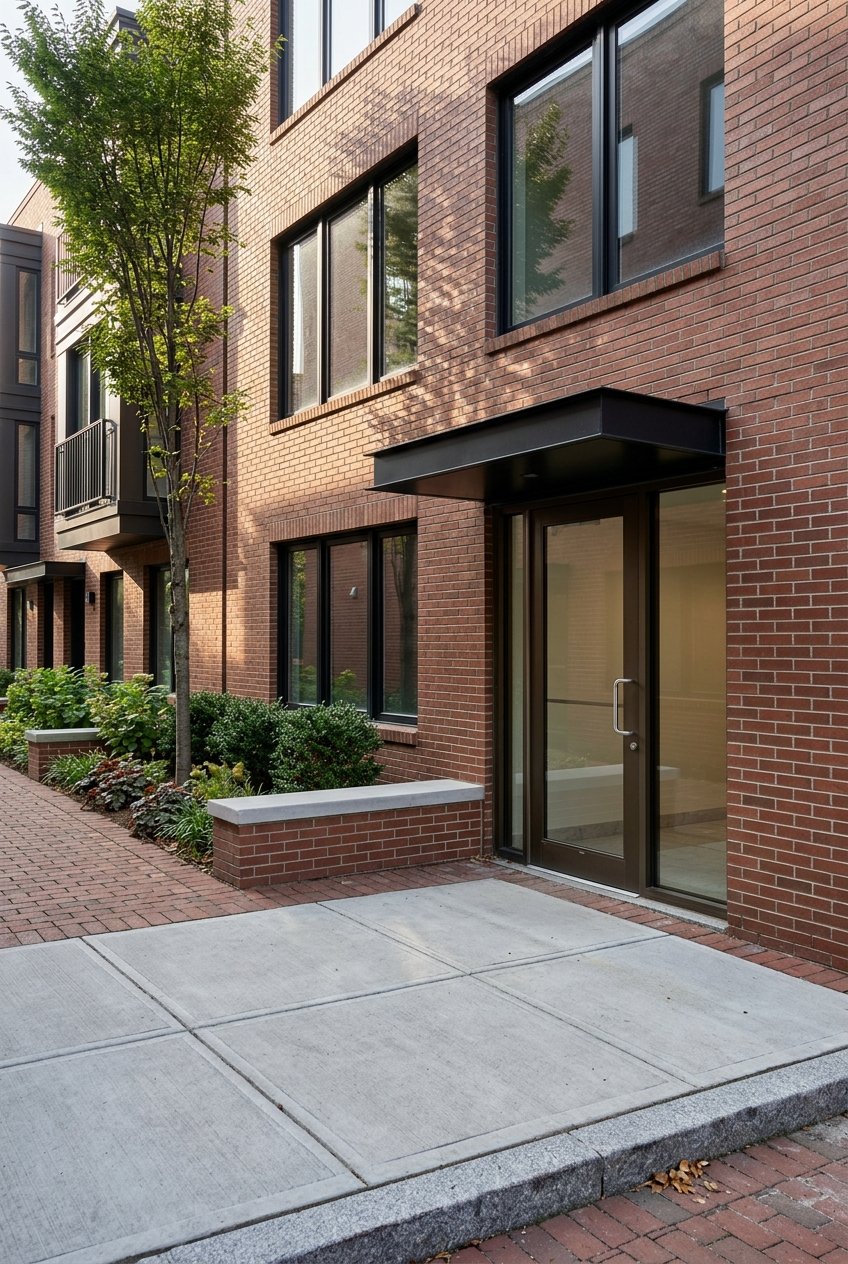
Rosslyn includes high-rise apartments and condos, smaller older buildings, and new luxury townhouses. Courthouse preserves older garden-apartment stock while focusing denser development near the station, Clarendon includes townhouse-scale infill, and Ballston has approved condo and townhouse development near Metro.
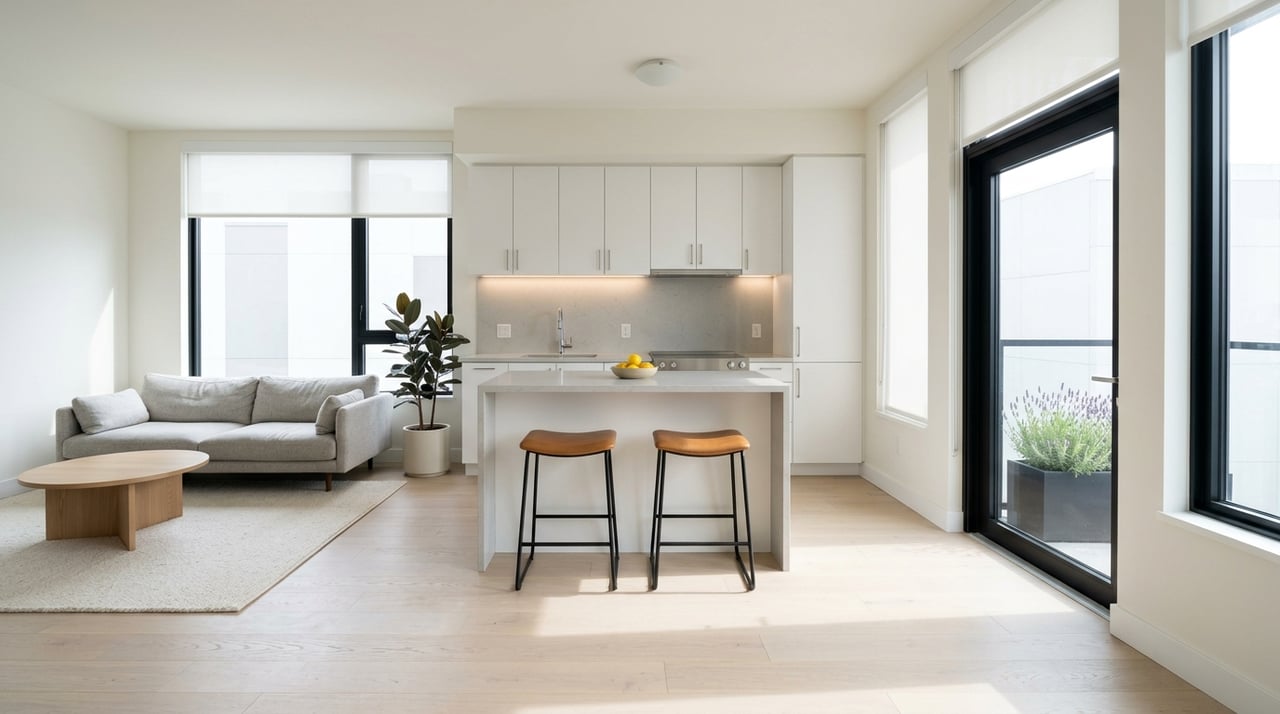
The Crystal City and Pentagon City areas also lean apartment-heavy and mixed-use, with several affordable-housing communities noted in the research. Overall, this mix suggests options for renters, first-time buyers, and downsizers, especially if you are comfortable with condos or townhomes instead of a detached home with a yard.
Why outdoor access matters here
One of the biggest benefits of living along Arlington’s Metro corridors is that parks and trails are built into daily life rather than treated as a separate destination. Arlington County says the county has nearly 49 miles of paved, multi-use trails.
The Mount Vernon Trail starts in Rosslyn and runs to Mount Vernon. The Custis Trail connects Rosslyn to the W&OD Trail near Falls Church, and Ballston is a practical stop along the way for shops, restaurants, and nearby parks.
Neighborhood parks also add everyday value. Gateway Park in Rosslyn connects to the Mount Vernon Trail, Quincy Park offers tennis, basketball, picnic space, and a playground, Ballston Wetland Park adds urban green space, and Virginia Highlands Park near Pentagon City supports a wide range of active uses.
Who Metro corridor living fits best
These neighborhoods can work well for many kinds of movers, but they are especially appealing if you value commute efficiency, walkability, and low-maintenance living. Based on the housing stock and station-area mix, the strongest fit is often people who are open to condos, apartments, or townhomes.
That can include first-time buyers who want a connected location, renters who want transit and amenities close by, and downsizers who prefer less upkeep. If your top priority is a large detached home with a private yard right next to Metro, these corridors may offer fewer direct matches.
How to narrow your search
If you are trying to choose among Arlington’s Metro corridors, start with how you want daily life to feel. The right station area is not only about the train line. It is also about whether you want nightlife nearby, a more residential setting, easy trail access, or a stronger mix of shopping and mixed-use development.
A simple way to frame your search is to compare each area by these questions:
- Do you want the most urban feel, or a softer transition to residential blocks?
- Is dining and nightlife a priority, or do you prefer quieter evenings?
- Would you use trails and parks often enough for that access to shape your choice?
- Are you mainly considering condos, or would a townhouse-style home also work?
- Do you want to be in the Rosslyn-Ballston spine or the Crystal City-Pentagon City area?
When you walk these neighborhoods in person, pay attention to the blocks just beyond the station. In Arlington, a few minutes of walking can change the feel of a home search in a meaningful way.
Choosing the right Metro corridor often comes down to matching the neighborhood’s rhythm with your priorities. If you want help comparing station areas, weighing housing options, or building a smart search around commute and lifestyle goals, Christina Wood Real Estate can help you plan your next move with clear, responsive guidance.
FAQs
What is the Rosslyn-Ballston corridor in Arlington?
- The Rosslyn-Ballston corridor includes Rosslyn, Courthouse, Clarendon, Virginia Square, and Ballston, which are Arlington’s best-known Metro-connected, walkable neighborhoods.
What is living near Arlington Metro stations like?
- Living near Arlington Metro stations often means a more urban, walkable environment close to station entrances, with quieter residential streets appearing as you move farther from the core.
Which Arlington Metro neighborhoods have the most restaurants and shops?
- Clarendon, Ballston, Crystal City, Pentagon City, and the Courthouse area are all described in county and WMATA materials as having concentrated shopping, dining, or retail activity.
What types of homes are common along Arlington Metro corridors?
- Metro-adjacent housing in Arlington is mostly multifamily, including apartments, condominiums, mixed-use buildings, older garden-style apartments, and some townhouse options depending on the station area.
Which Arlington Metro neighborhoods have good trail access?
- Rosslyn stands out for direct access to the Mount Vernon Trail, while the Custis Trail connects through the corridor and makes Ballston a practical stop for trail users.
Who is a good fit for Arlington Metro corridor living?
- Arlington Metro corridor living can be a strong fit if you prioritize walkability, commute efficiency, nearby amenities, and lower-maintenance housing such as condos or townhomes.