If you are relocating to Northern Virginia, Springfield often comes up for one simple reason: it gives you practical access to the wider DC region without forcing you into the highest price points closer to the urban core. For many buyers, that balance matters just as much as square footage or commute time. This guide will help you understand how Springfield works as a home base, what kind of housing you can expect, and what daily life may feel like once you are here. Let’s dive in.
Why buyers consider Springfield
Springfield is a Fairfax County community with a 2020 Census population of 31,339 and 10,399 households. It sits just south of I-495 and along I-95, which helps explain why it is often viewed as a regional access point for people moving into the DC metro area. If you want to stay connected to job centers across Northern Virginia, DC, and beyond, Springfield has a location that many buyers find useful.
It is also more than a highway stop or commute hub. Fairfax County describes Springfield as a commercial center anchored by Springfield Town Center, the Franconia-Springfield Metro Station and Joe Alexander Transportation Center, and the future Inova Franconia-Springfield hospital. That mix gives the area a practical, everyday feel that appeals to buyers who want convenience close to home.
Springfield commute and access
For many relocating buyers, commute options help narrow the map fast. Springfield stands out because it connects to major roads, transit, and park-and-ride infrastructure in a way that supports several different routines. You can drive, combine driving with transit, or use rail and bus options depending on where you work.
Major road access
Springfield sits at the meeting point of I-95 and I-495, which is a big part of its appeal. Fairfax County planning materials describe the area as built around these two major interstates, and that shapes how many residents move through the region. If your work or family life takes you across multiple parts of the DC metro, that kind of road access can be a major plus.
The area is still largely car-oriented in day-to-day life. Fairfax County reports that driving alone remains the predominant commute mode in Springfield, even as work-from-home increased between 2013 and 2023. That means buyers should think about Springfield as a place where driving is still a core part of how many households get around.
Metro, rail, and bus connections
Springfield also offers real transit infrastructure, which sets it apart from some outer suburban areas. WMATA lists Franconia-Springfield as the southern terminus of the Blue Line, and weekday commuters can connect there to VRE, Fairfax Connector, and Metrobus. If you want transit options without giving up a more suburban housing mix, that can be an important advantage.
Fairfax County also notes that the Springfield CBC Commuter Parking Garage opened in September 2024 as a multimodal facility. That detail matters because it reflects how the station area functions in real life. This is not purely a walk-everywhere setting. It is a commuter-oriented station area built to support driving, parking, and connections to transit.
What this means for your move
If you are relocating from a denser city, Springfield may feel more spread out and more car-dependent than some close-in neighborhoods. At the same time, it gives you more flexibility than a purely highway-based suburb. In practical terms, Springfield can work well if you want regional access, transit as an option, and a location that helps you stay connected to the broader DC commute network.
Springfield housing options
Housing is one of Springfield’s strongest selling points for relocating buyers because the mix is broader than many people expect. The area leans suburban and owner-occupied, with Census data showing a 66.0% owner-occupied housing rate. That can appeal if you are looking for a more settled residential environment.
Springfield also offers a useful middle ground in the DC metro area. Census QuickFacts shows a median owner-occupied home value of $640,300 in Springfield. That is below Fairfax County overall at $732,800, below Alexandria city at $735,100, and below Arlington County at $895,000.
Home types you are likely to see
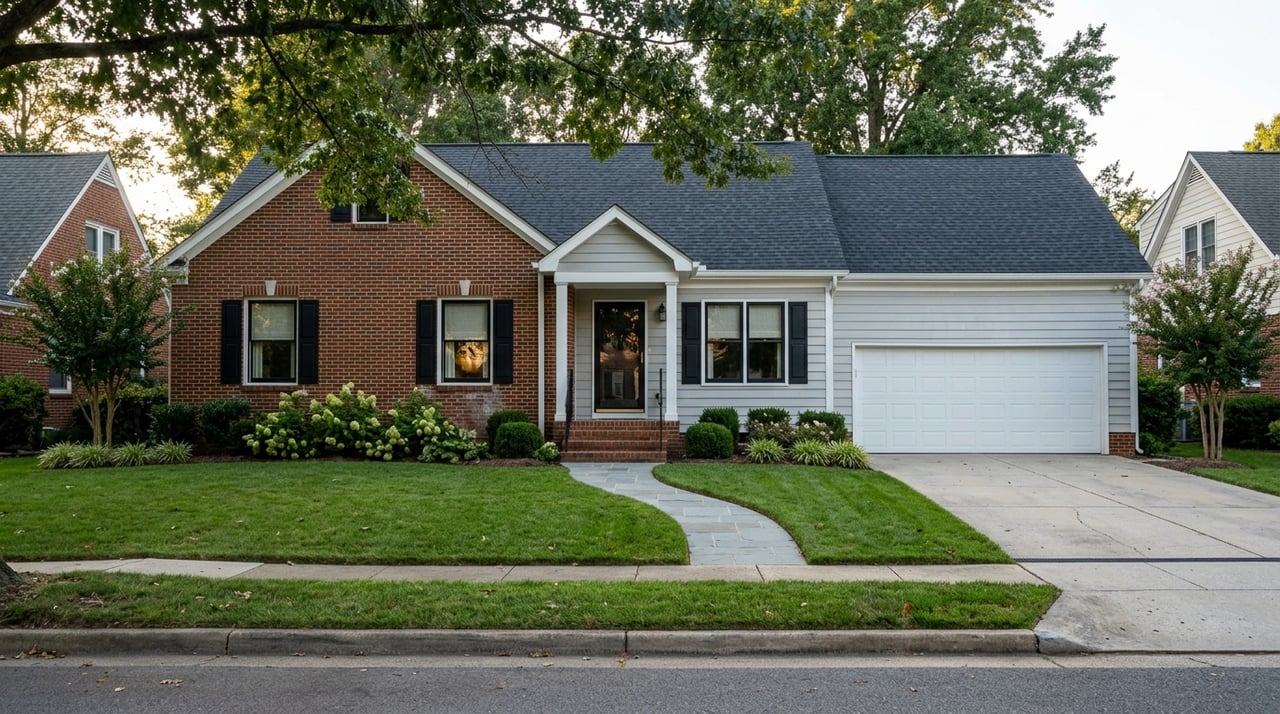
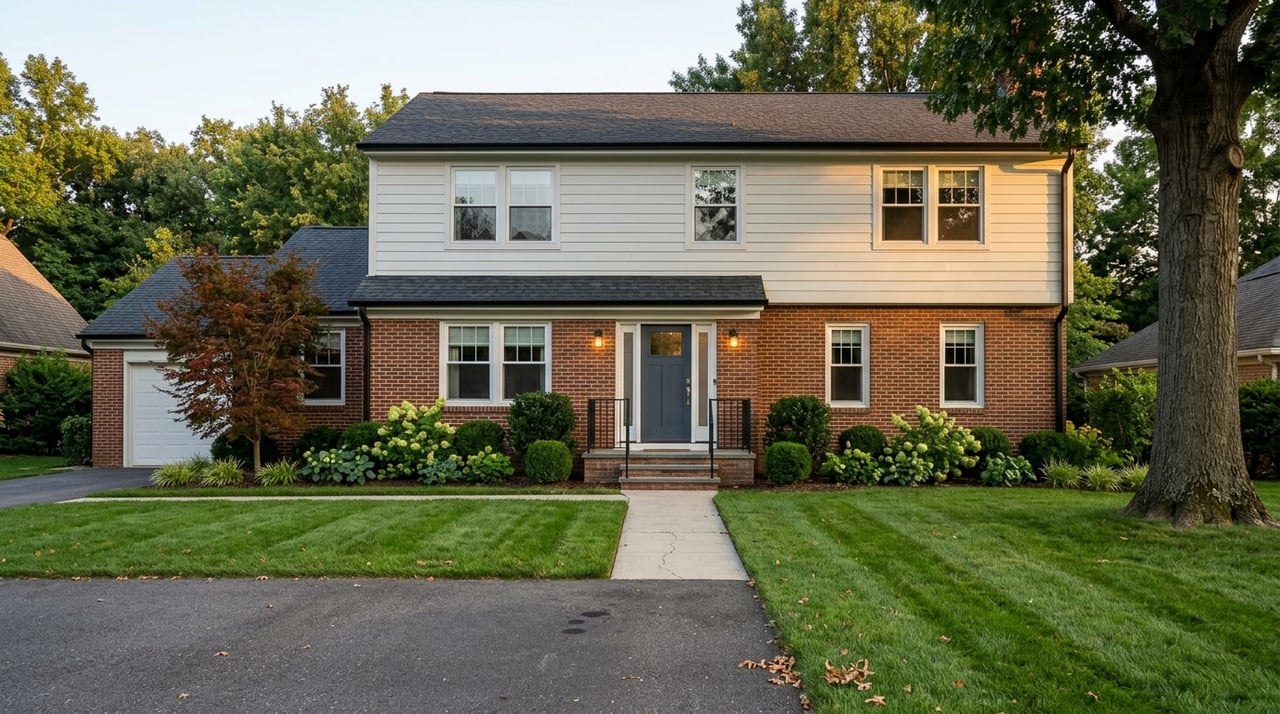
Fairfax County planning materials say single-family detached homes and townhouses made up roughly two-thirds of Springfield housing in both 2013 and 2023. That tells you a lot about the local feel. Buyers who want more space-oriented housing choices often look here for exactly that reason.
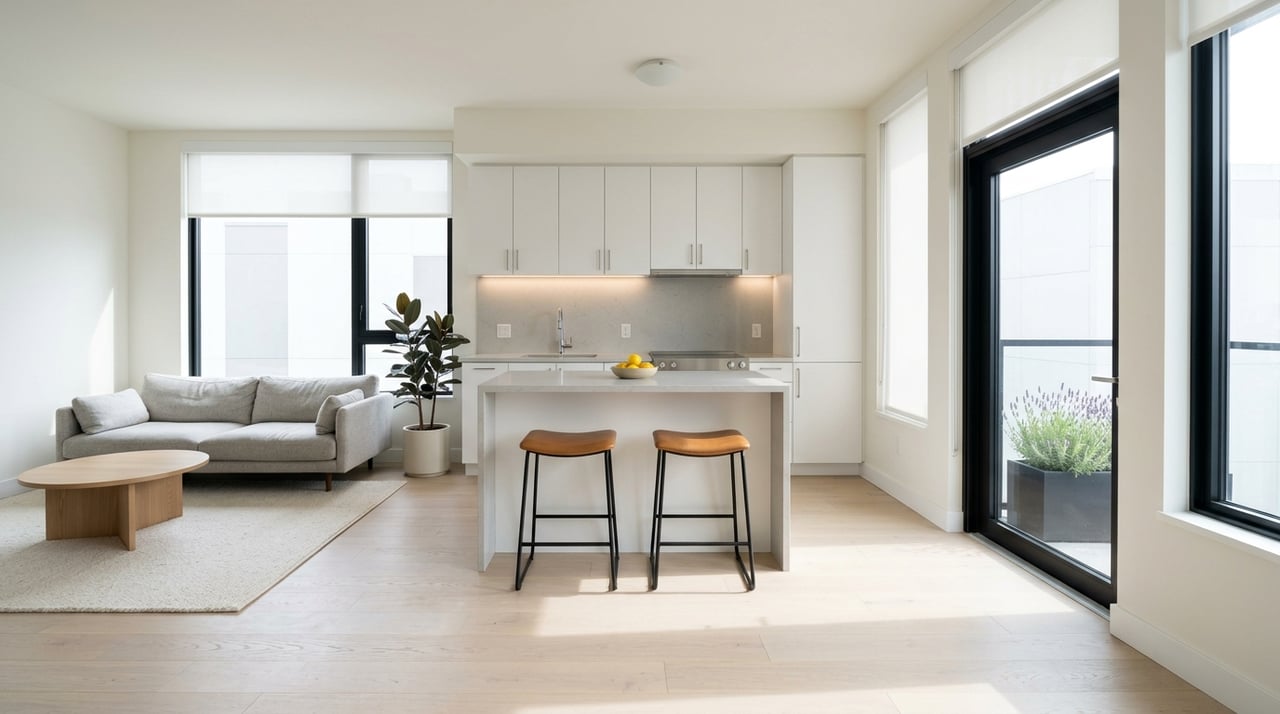
At the same time, Springfield is not limited to detached homes. The area also has a larger share of 20-plus-unit structures than Fairfax County overall, and WMATA notes established single-family neighborhoods near the station alongside newer condos and apartments. If your budget, timeline, or maintenance preferences point you toward a condo or apartment-style home, Springfield still gives you options.
Budget and value framing
No two buyers define value the same way, but Springfield often enters the conversation when you want to compare cost, space, and access. Its median owner-occupied value suggests a lower entry point than several nearby inner-core markets, while still keeping you in Fairfax County and within the larger DC-region transportation network. For many relocators, that tradeoff feels worth exploring.
It is also helpful to think beyond the purchase price alone. A home that gives you the right commute pattern, layout, and daily convenience may support your long-term goals better than stretching for a location that looks good on a map but creates more pressure month to month. That is where a neighborhood-by-neighborhood strategy matters.
What everyday life looks like
A move is not just about the house. You also want to know what your routine may feel like after the boxes are unpacked. Springfield offers a combination of shopping, services, and recreation that makes day-to-day life feel practical and connected.
Shopping and daily errands
Fairfax County identifies Springfield Town Center, Springfield Plaza, Tower Shopping Center, Commerce Plaza, Brookfield Plaza, and Frontier Plaza as part of the area’s retail core. That gives you a wide range of community-serving retail in one general area. If convenience matters, Springfield offers a strong everyday errands setup.
County planning also emphasizes mixed-use development and more connected street and sidewalk systems in the broader Springfield framework. For buyers, that signals an area that continues to evolve while keeping a focus on serving residents. It is one reason Springfield can feel like more than just a place to sleep between commutes.
Parks and recreation
Outdoor access is another practical plus. Lake Accotink Park is a 476-acre county park with trails, waterfront activities, kayak rentals, a boat launch, fishing, mini golf, a carousel, picnic areas, and a four-mile loop trail. For many households, having that kind of recreation nearby adds real quality to everyday life.
Springfield is also home to Hidden Pond Nature Center and South Run Rec Center. South Run offers aquatics, fitness, courts, and Go Ape adventure facilities. If you are relocating and want a location where you can balance work routines with easy access to recreation, Springfield checks a lot of boxes.
How Springfield fits different buyers
Springfield is not a one-size-fits-all answer, but it does fit several common relocation goals. If you want more space than you may find in some closer-in markets, it deserves a look. If you want to remain tied into the region through highways, Metro, rail, and bus connections, it deserves a look for that too.
It can also make sense if you are trying to balance budget with location. The housing mix includes detached homes, townhomes, condos, and apartments, which gives you more ways to match your purchase to your needs. That flexibility is especially useful when you are moving on a deadline and trying to make a smart decision with incomplete local knowledge.
Springfield may be a strong fit if you are looking for:
- A Fairfax County location with regional commute access
- A more suburban housing mix than inner-core Northern Virginia
- Multiple home type options, from single-family homes to condos
- Nearby shopping, services, and recreation for daily convenience
- A practical home base that balances space and connectivity
Smart tips before you buy in Springfield
When you relocate, it helps to narrow your search based on how you will actually live. In Springfield, that usually means starting with commute patterns, home type, and how much convenience you want near your front door. A clear plan can save you time and help you avoid chasing homes that do not fit your routine.
Here are a few smart ways to approach the search:
- Map your likely commute by both car and transit
- Decide early whether you want a detached home, townhome, or condo
- Compare housing choices near the station area versus more established residential sections
- Think about how often you use parks, retail, and recreation in your current routine
- Set a budget that supports both your purchase and your long-term comfort
If you are moving from out of town, it also helps to work with someone who can give you practical context, not just listings. The right guidance can help you compare tradeoffs clearly, move faster when needed, and stay focused on what matters most for your next chapter.
Springfield offers a realistic option for buyers who want room to breathe without stepping away from the DC metro network. Its blend of road access, transit connections, suburban housing choices, and daily convenience gives relocating buyers a lot to work with. If you are trying to make a confident move to Northern Virginia, Springfield is a place worth serious consideration.
If you want help comparing Springfield to other Northern Virginia options or building a relocation plan around your budget, timeline, and commute, Christina Wood Real Estate is here to help with responsive, practical guidance.
FAQs
What is Springfield, Virginia like for relocating homebuyers?
- Springfield offers a practical mix of suburban housing, major road access, Blue Line Metro service, rail and bus connections, shopping, and parks, which makes it a useful home base for many DC-area relocators.
What kinds of homes can you buy in Springfield, Virginia?
- Buyers in Springfield can find single-family homes, townhouses, condos, apartments, and larger multifamily-style buildings, with detached homes and townhouses making up roughly two-thirds of the housing stock.
Is Springfield, Virginia more affordable than nearby Northern Virginia areas?
- Census data shows Springfield’s median owner-occupied home value at $640,300, which is lower than Fairfax County overall, Alexandria city, and Arlington County.
Does Springfield, Virginia have good commute options?
- Springfield offers access to I-95 and I-495, plus the Franconia-Springfield Metro Station with connections to the Blue Line, VRE, Fairfax Connector, and Metrobus.
What amenities are available in Springfield, Virginia?
- Springfield includes a major retail core with Springfield Town Center and several shopping centers, along with recreation options like Lake Accotink Park, Hidden Pond Nature Center, and South Run Rec Center.