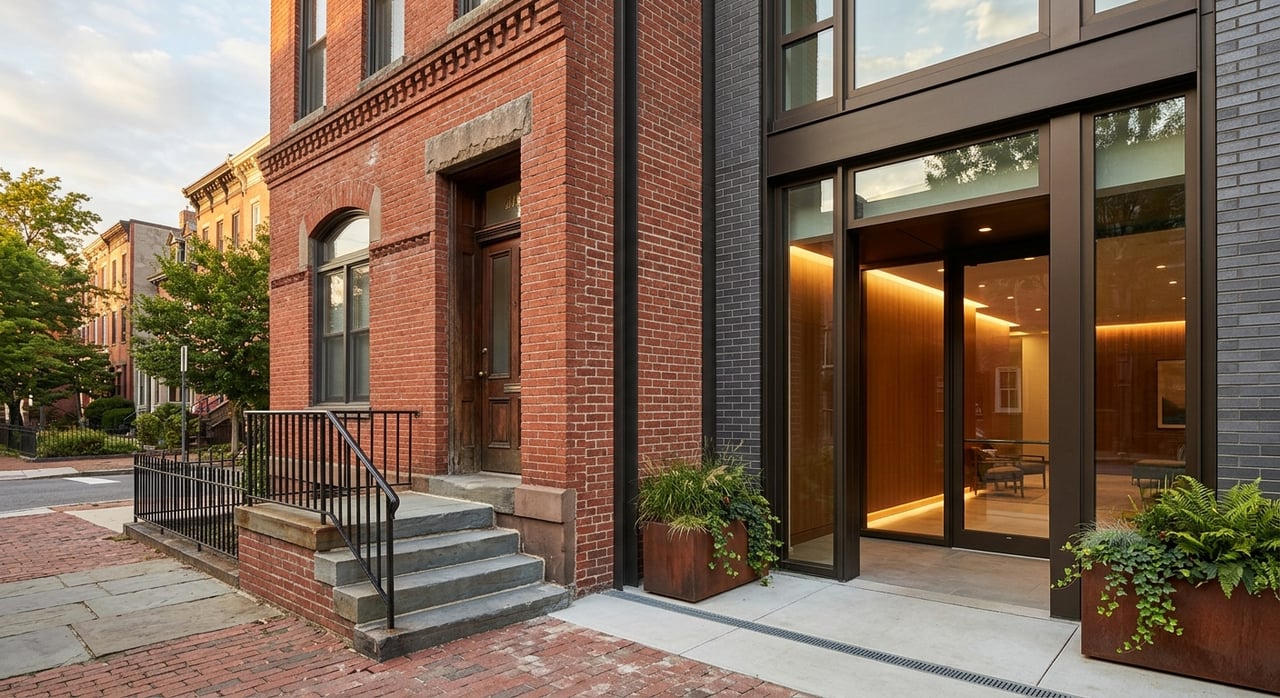
If you are trying to choose between a DC condo and a rowhouse, Columbia Heights often lands right in the sweet spot. You may want the convenience of a condo, the character of a rowhouse, or a neighborhood that gives you both options without giving up transit and daily essentials. This guide will help you understand how Columbia Heights fits different buyer goals, what the housing mix looks like, and why the neighborhood stands out in DC. Let’s dive in.
Why Columbia Heights Stands Out
Columbia Heights offers a rare mix of housing types in an urban DC setting. According to the DC Office of Planning’s overview of Ward 1, the neighborhood includes historic townhomes, a major commercial core, and a mix of apartment buildings and rowhouse blocks.
That matters if you are trying to balance lifestyle with property type. Instead of choosing a neighborhood that is mostly condos or mostly houses, you can explore both in one area. For many buyers, that makes Columbia Heights a practical middle-ground option.
Housing Mix in Columbia Heights
One of the biggest strengths of Columbia Heights is that it is not a one-product market. Planning materials describe a built environment that combines historic rowhouses and townhomes with small- and mid-rise apartment buildings, along with larger apartment buildings near major corridors.
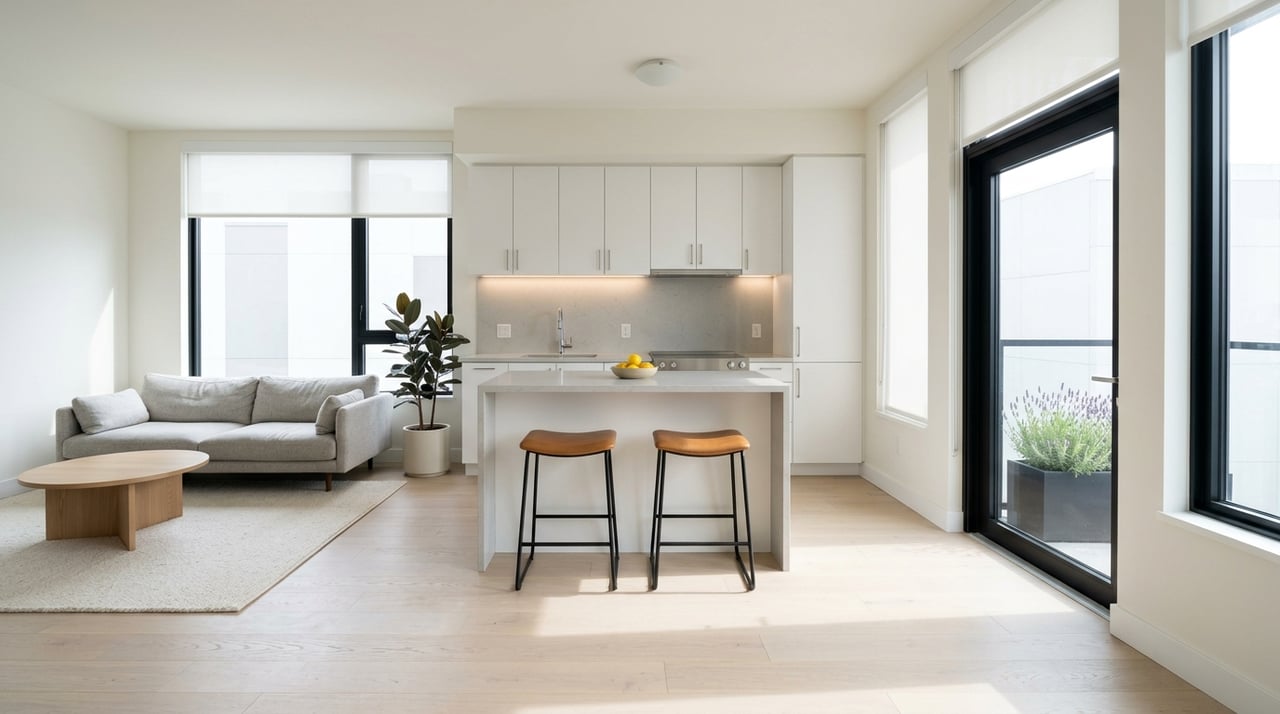
For buyers, that means you can often compare different home styles without leaving the neighborhood. If you want a lower-maintenance home, a condo may fit your needs. If you want more traditional DC architecture and a different layout, a rowhouse may be the better match.
Condo Options Near Key Corridors
Columbia Heights has been especially friendly to condo buyers for years. In the Columbia Heights NIF plan, the area is described as having added 2,543 condominium units between 2001 and 2006, alongside major retail and residential growth.
That long period of condo development helps explain why the neighborhood still appeals to buyers who want access, convenience, and a more lock-and-leave lifestyle. Based on the documented land-use pattern, it is reasonable to think of condos as clustering closer to the Metro and the busiest commercial streets.
Rowhouses on Interior Blocks
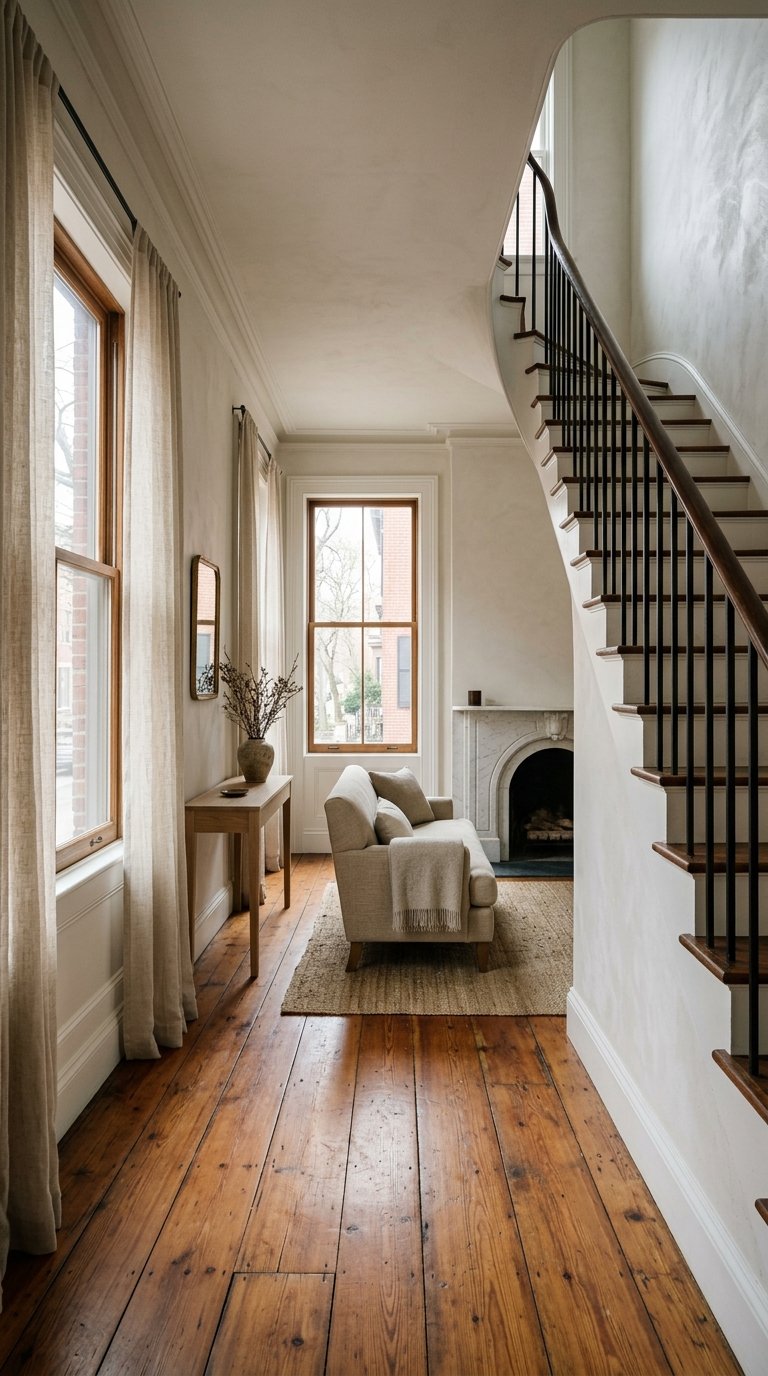
Columbia Heights also keeps the rowhouse character many DC buyers want. Planning descriptions point to rowhouse blocks on cross streets that connect toward Mt. Pleasant, Park View, and Pleasant Plains.
In practical terms, that often means the feel can change block by block. Based on planning documents, quieter interior streets are generally where you are more likely to experience the neighborhood’s rowhouse and townhouse-style fabric.
What Condo Buyers May Like
If you are shopping for a condo, Columbia Heights can make a lot of sense if daily convenience is high on your list. The neighborhood’s commercial core, transit access, and concentration of services support an easy urban routine.
The Columbia Heights station page from WMATA notes that the station at 14th and Irving serves the Green and Yellow lines and is within walking distance of shopping, local eateries, Mount Pleasant, and Adams Morgan. That type of access can be a major advantage if you want to rely less on a car.
Condo buyers may also appreciate being close to the busiest part of the neighborhood. Columbia Heights and Mount Pleasant Main Street materials describe the area as a vibrant district with restaurants, cafes, retail, services, nightlife, and public transportation access.
What Rowhouse Buyers May Like
If you are drawn to rowhouses, Columbia Heights can appeal because it still offers classic DC character while keeping you close to neighborhood amenities. You may prefer the look and feel of historic homes, a multi-level layout, or a setting that feels a little more tucked into the neighborhood fabric.
Columbia Heights is not purely residential, and that is part of its appeal. You can get the character of rowhouse blocks while still being near one of DC’s stronger everyday retail and transit nodes. For buyers who want that balance, Columbia Heights can be a smart place to focus.
Outdoor Space and Daily Livability
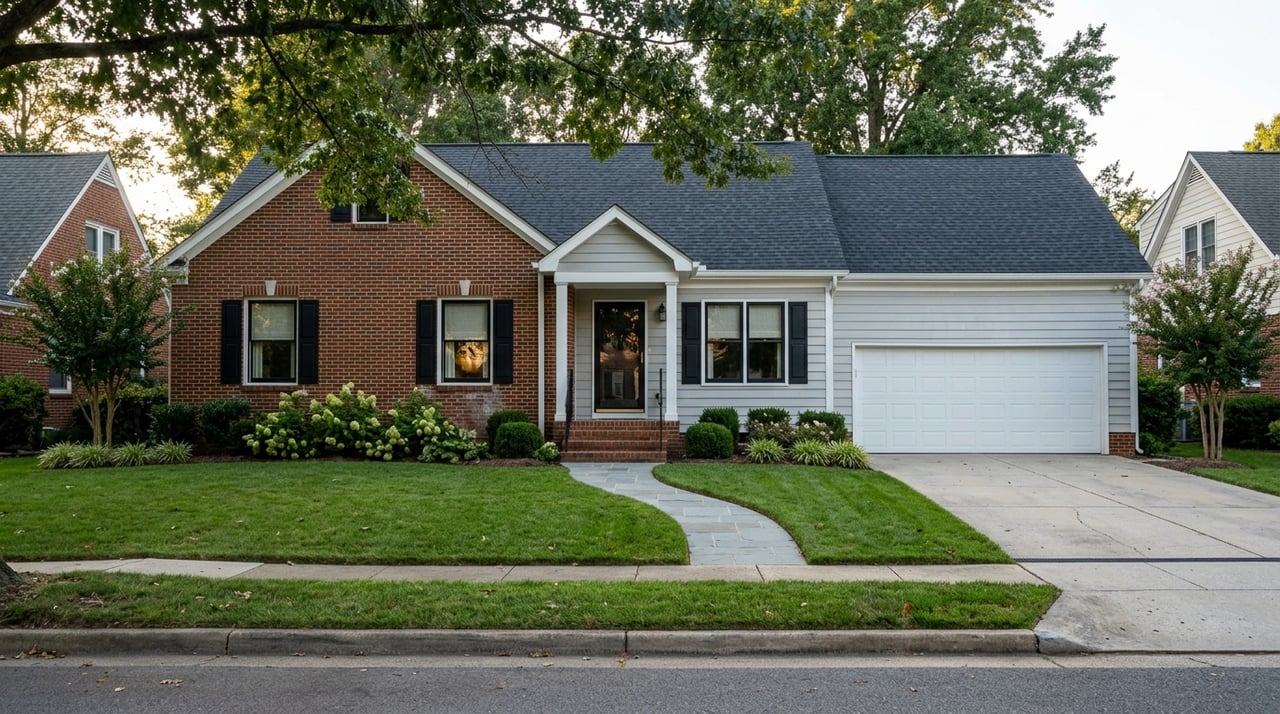
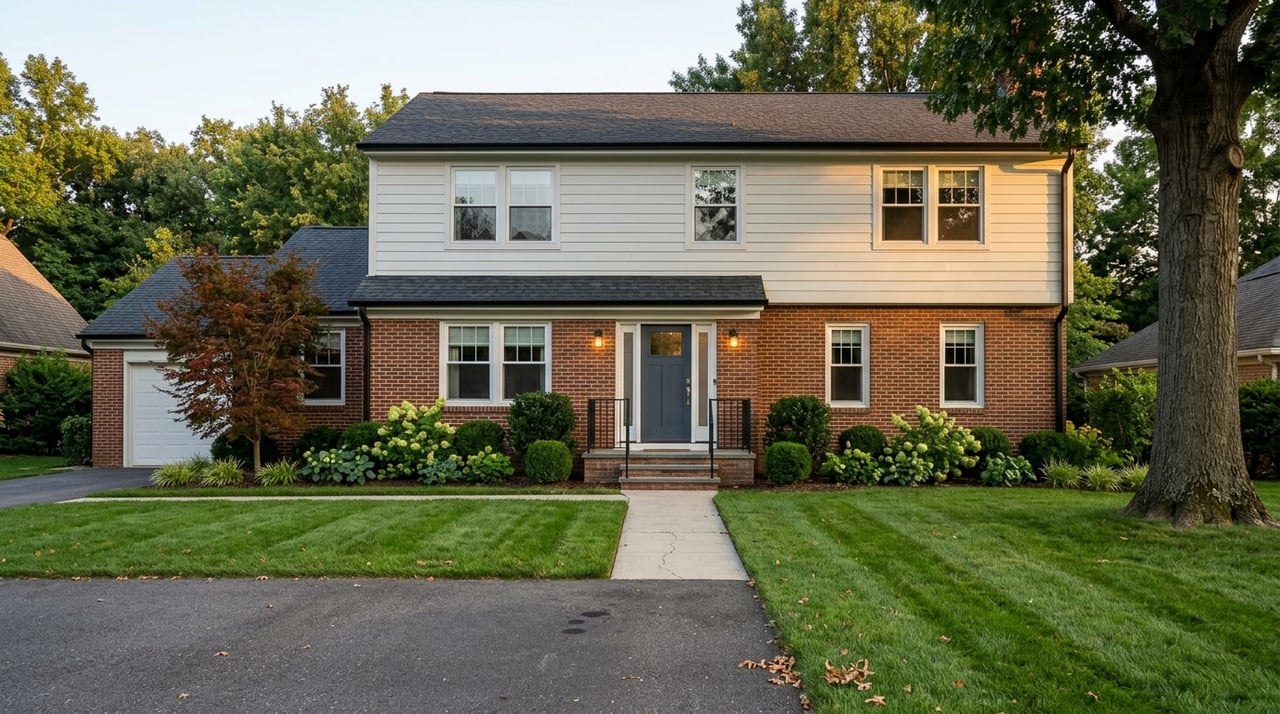
Columbia Heights tends to emphasize shared urban space more than large private yards. The neighborhood’s public-realm planning focuses on sidewalks, streetscapes, plazas, and public gathering areas, including a civic plaza around Kenyon Street, Park Road, and 14th Street, as described in DC planning materials on the public realm framework and revitalization effort.
That can be a good fit if you value walkability and public spaces more than maintaining a large yard. It is also worth noting that nearby open-space amenities for the broader area include Rock Creek Park, Meridian Hill Park, and the National Zoo, according to the Columbia Heights NIF plan.
The Outdoor Space Tradeoff
For many buyers, the tradeoff is straightforward. Private outdoor space is often more compact than in detached-home neighborhoods, but access to parks, plazas, and walkable streets is strong.
That tradeoff can work well if your priority is location and neighborhood access. It may matter less if you plan to spend more of your free time out in the city than managing outdoor space at home.
Transit, Retail, and Everyday Convenience
Columbia Heights is one of those neighborhoods where daily errands can feel simple. The mix of retail, services, restaurants, and transit contributes to a practical urban lifestyle that works for many buyers.
The District’s Great Streets program identifies the 14th & U Streets NW area, including Columbia Heights, as a retail priority corridor. That supports the idea of Columbia Heights as a neighborhood with a strong commercial presence rather than a purely residential one.
Transportation also continues to be part of the neighborhood’s appeal. The District Department of Transportation has studied bus and bike improvements in and around Columbia Heights, including Columbia Road, Irving, Harvard, Mount Pleasant, and 14th Street.
How Columbia Heights Compares Nearby
If you are deciding among several DC neighborhoods, Columbia Heights often makes the most sense when you want a balance of energy, transit, and housing variety.
Columbia Heights vs. Adams Morgan
Adams Morgan is often the better fit if nightlife is your top priority. DC planning describes the 18th Street area in Adams Morgan as an eclectic mix of restaurants, bars, and businesses.
By comparison, Columbia Heights still has dining and activity, but it generally reads more as a mixed residential-commercial neighborhood with a strong everyday retail core. If you want urban energy without centering your home search around nightlife, Columbia Heights may feel more practical.
Columbia Heights vs. Mount Pleasant
Mount Pleasant tends to feel more residential and village-like. Planning materials describe it as a community of single-family homes, rowhouses, and small-scale apartment buildings, centered around Mount Pleasant Street, which sits about a quarter-mile west of the Columbia Heights Metro.
If you want a denser mixed-use node and easier access to a larger commercial core, Columbia Heights may be the stronger fit. If you want a somewhat quieter, smaller-scale feel, Mount Pleasant may be more your speed.
Columbia Heights vs. Petworth
Petworth is another strong option for buyers who like rowhouses. Planning documents describe the broader Ward 4 area as pedestrian-oriented and moderate in density, with mixed-use development and varied housing types encouraged along its major corridors.
Compared with Columbia Heights, Petworth generally feels a bit more residential and less centered on one dense mixed-use hub. So if you want stronger condo options and a bigger central commercial core, Columbia Heights may have the edge.
Columbia Heights vs. Logan Circle
Logan Circle is often the closer match for buyers who want dense, condo-friendly living. Planning documents describe that area as having a wide range of housing, from historic mansions and rowhouses to high-rise apartments, along with restaurants, lofts, and retail.
The difference is more about feel and context. Logan Circle tends to have a more downtown-adjacent identity, while Columbia Heights can offer a similar urban convenience with a more neighborhood-centered mix of rowhouses, apartments, and daily retail.
Who Columbia Heights Fits Best
Columbia Heights may be a strong fit if you want:
- A neighborhood where you can seriously compare both condos and rowhouses
- Strong Metro access and improving bus and bike connections
- Everyday retail, restaurants, and services close to home
- A walkable urban setting with access to parks and public spaces
- A balance between residential character and commercial convenience
It may be especially appealing if you are a first-time buyer, a move-up buyer who still wants city living, or someone relocating to DC and trying to find a neighborhood with both lifestyle and housing flexibility.
How to Think About Your Search
When you tour Columbia Heights, it helps to stay clear on your priorities. Ask yourself whether you care more about lower-maintenance living, more traditional home character, transit access, or a quieter block.
In a neighborhood with this much variety, the right fit often comes down to matching the micro-location and property type to your day-to-day routine. That is where a focused plan can save you time and help you compare options more confidently.
If you are thinking about buying in Columbia Heights or weighing it against nearby DC neighborhoods, Christina Wood Real Estate can help you narrow your options, understand the tradeoffs, and build a smart strategy around your goals. Schedule a free consultation to talk through what fits your budget, lifestyle, and timeline.
FAQs
Is Columbia Heights a good neighborhood for DC condo buyers?
- Yes. Columbia Heights has a substantial condo inventory, strong Metro access, and a walkable commercial core that can appeal to buyers who want convenience and an urban lifestyle.
Is Columbia Heights a good neighborhood for DC rowhouse buyers?
- Yes. Columbia Heights includes historic rowhouse blocks and townhouse-style homes, especially on quieter interior streets, while still keeping you close to retail and transit.
How does Columbia Heights compare to Adams Morgan for homebuyers?
- Columbia Heights generally offers a more everyday mixed residential-commercial feel, while Adams Morgan is more closely associated with restaurants, bars, and nightlife.
How does Columbia Heights compare to Mount Pleasant for buyers?
- Columbia Heights tends to feel denser and more centered on a larger commercial core, while Mount Pleasant is generally more residential and village-like in character.
What kind of outdoor space can buyers expect in Columbia Heights?
- Buyers should expect a more urban pattern with shared public spaces, sidewalks, plazas, and nearby parks rather than large private yards in most parts of the neighborhood.
Does Columbia Heights have strong public transportation access for buyers?
- Yes. WMATA’s Columbia Heights station serves the Green and Yellow lines, and the neighborhood also benefits from ongoing bus and bike improvement planning in surrounding corridors.