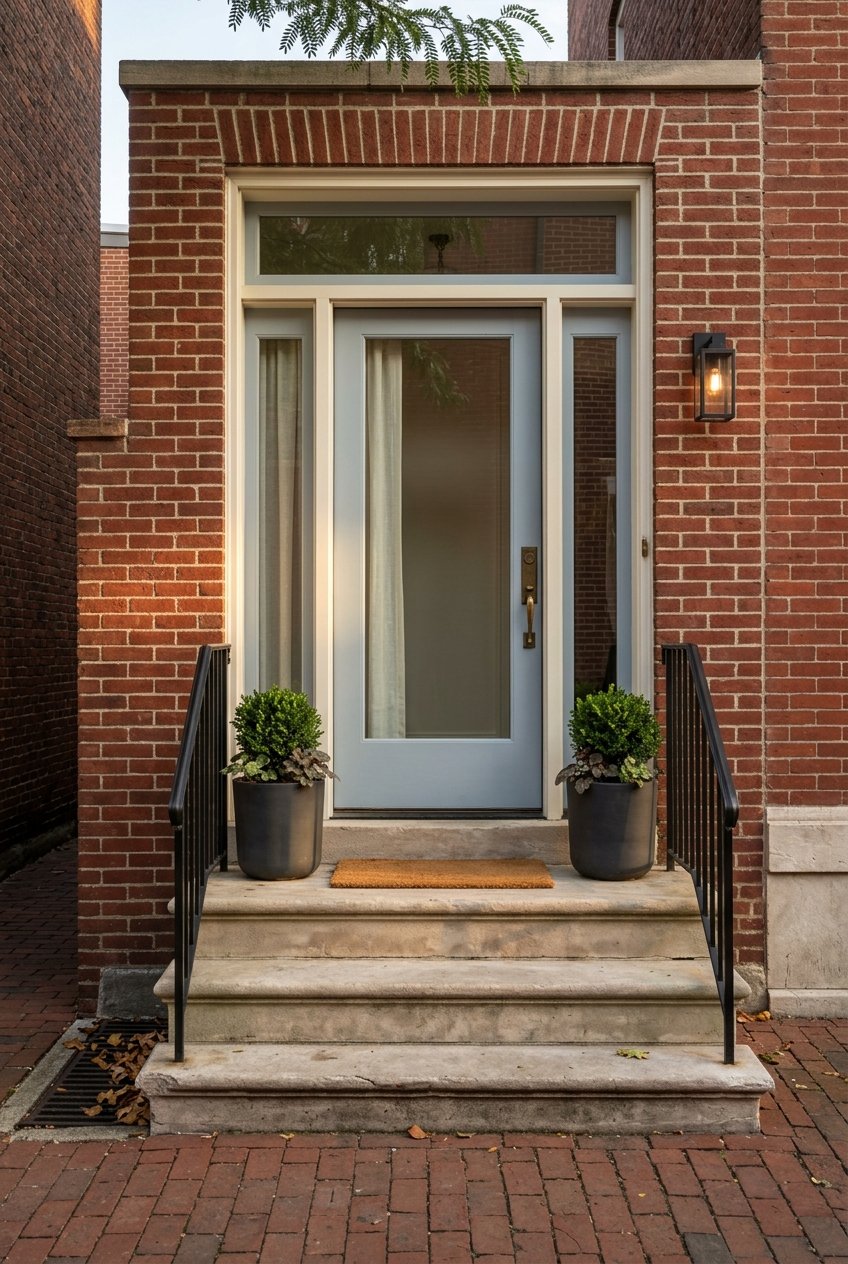
If you own a historic home in Old Town, getting it ready for the market is not just about making it look pretty. It is about showing buyers that your home’s character has been cared for, its key features have been respected, and its condition is easy to understand. In a premium, fast-moving market like Old Town, the right prep can help your home stand out for the right reasons. Let’s dive in.
Why Old Town prep is different
Old Town Alexandria is not like every other neighborhood. It sits within the Old and Historic Alexandria District, one of only two local historic districts in the city regulated by the Board of Architectural Review, or BAR. The city also notes that more than 200 Alexandria structures were built before 1820, with most of them in Old Town.
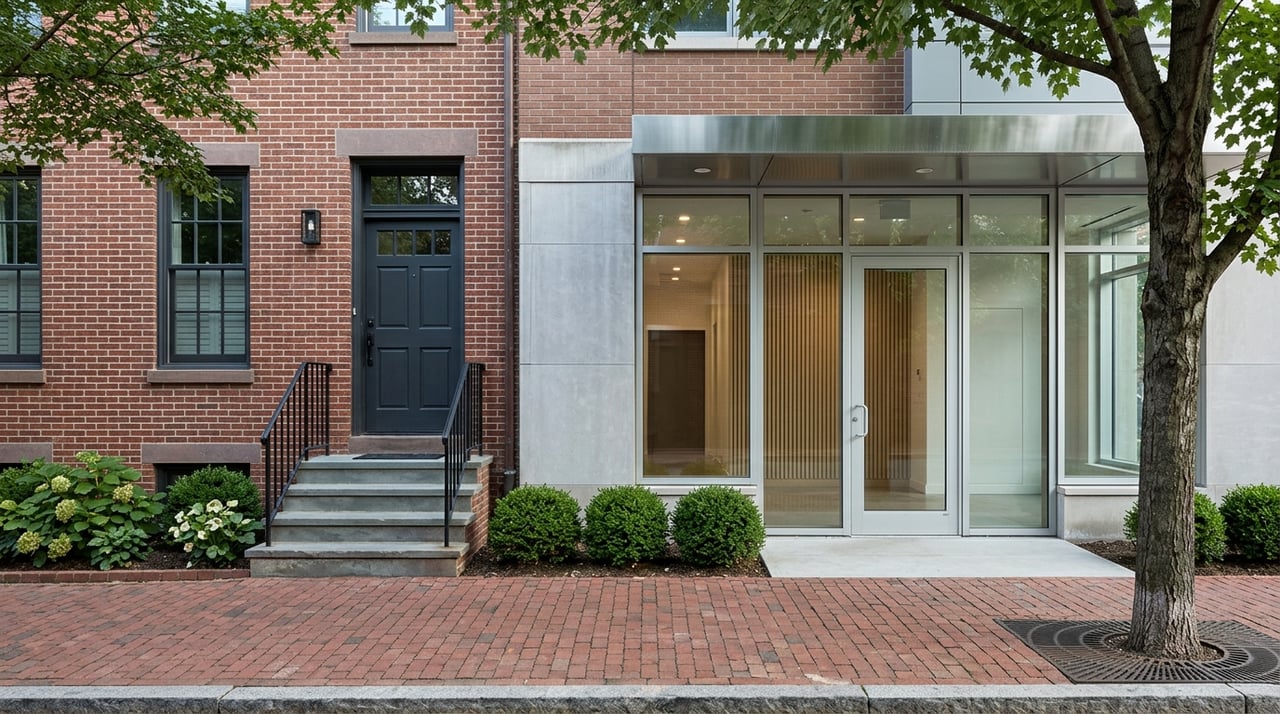
That history adds value, but it also changes how you should prepare your home for sale. Exterior changes that are visible from a public right-of-way may require BAR approval, while interior work does not. That means your prep plan should balance market appeal with the city’s preservation rules.
Old Town’s market rewards presentation
Old Town continues to command premium pricing. Redfin reported a May 2026 median sale price of $1,069,640, median days on market of 14, and a 101.1% sale-to-list ratio. Zillow reported an average home value of $1,265,554 and a median sale price of $1,258,750 in late May 2026.
Those figures use different methods, but the message is the same. Old Town is expensive, competitive, and fast-moving. Buyers here notice details, and thoughtful presentation can make a real difference.
Preserve first, update carefully
When you prepare a historic Old Town home for sale, your goal is not to erase its age. Your goal is to make the home feel well maintained, functional, and true to its architectural character. In many cases, a repair-first approach is better than a replace-everything approach.
Alexandria’s BAR policies prioritize preserving historic material when it can be retained and repaired. That matters for features like windows, doors, masonry, roofing, stoops, and fences. Before you start visible exterior work, it is smart to confirm the latest adopted guidance with city preservation staff.
Focus on what buyers notice outside
Curb appeal carries extra weight in Old Town because so many homes have memorable facades and street presence. Buyers often notice windows, front doors, stoops, railings, masonry, and rooflines right away. If those features look neglected, buyers may worry about bigger maintenance issues.
Start with condition, not trendiness. Clean surfaces, fix obvious wear, and address deferred maintenance where possible. In a historic district, compatibility usually matters more than trying to make an older home look brand new.
Windows deserve special attention
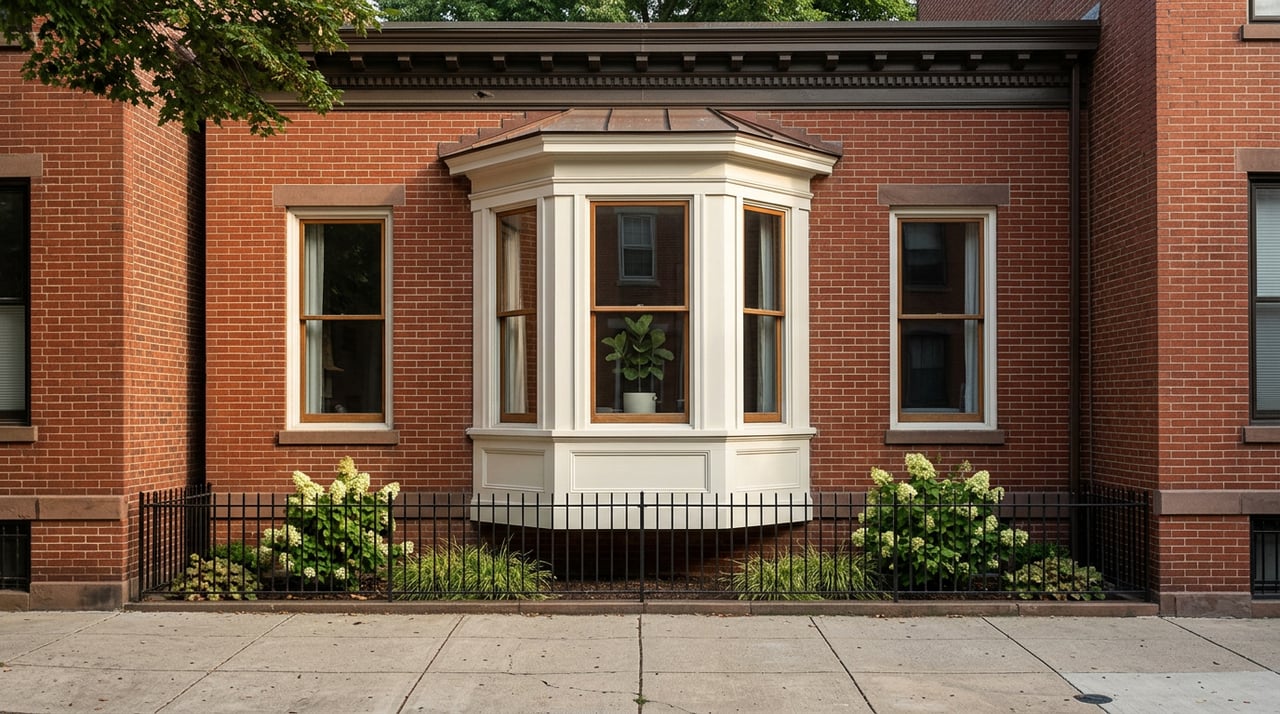
Windows are one of the biggest historic-district issues in Old Town. The city says frames, sashes, and glass should be repaired rather than replaced when possible. It also states that insert windows are not appropriate, vinyl windows are not appropriate, and replacement windows should fit the original opening.
If your windows need work, gather documentation early. For some window projects, staff may require manufacturer cut sheets to verify compliance. If you already completed work, having records ready can help reassure buyers and smooth questions during the sale process.
Doors and stoops shape first impressions
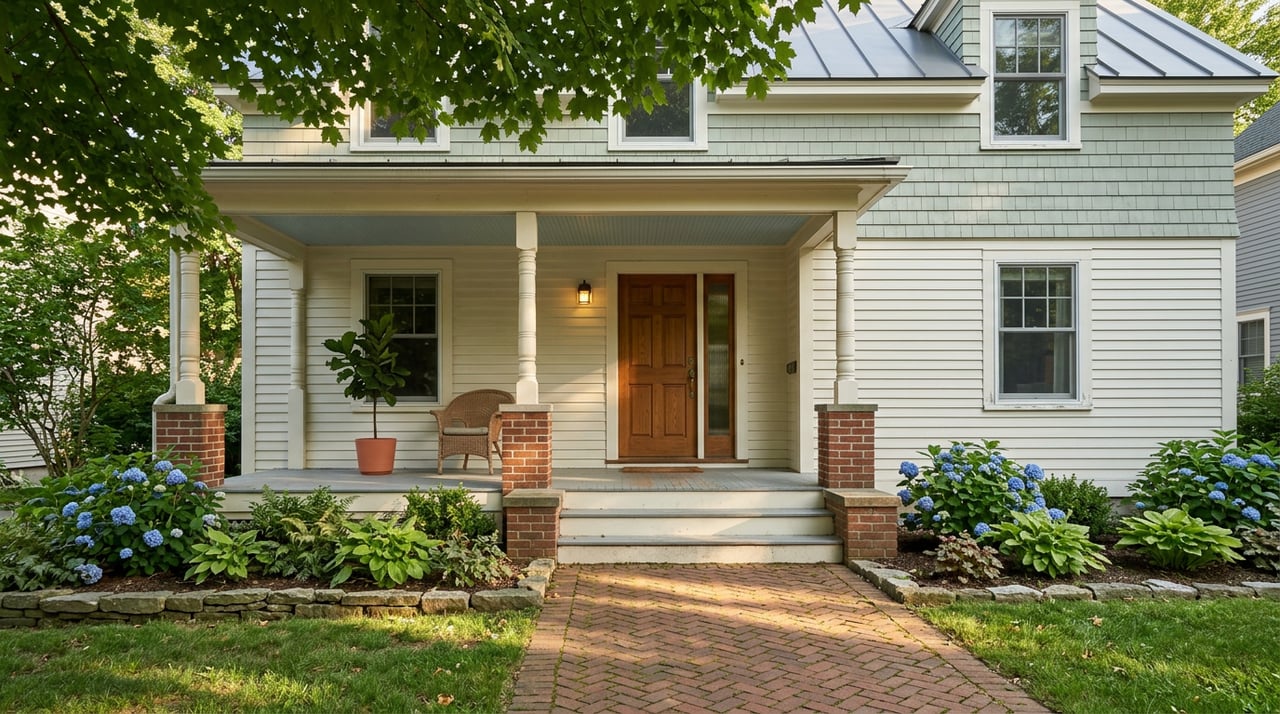
Street-facing entries matter in Old Town. The city’s guidance says character-defining door features should be retained, and street-facing doors on early buildings should generally be wood. Ornamented storm doors are discouraged, while unornamented storm doors may be handled without BAR review.
Stoops, steps, and railings also contribute to a home’s historic look. For early buildings, the city says historic stoops, steps, and railings on street-facing sides should be retained. If repairs are needed, visually compatible materials such as wood, cast iron, stone, or precast concrete are preferred, while synthetic materials are discouraged.
Masonry and roofs matter more than you think
Brick walls and roof materials help tell the story of an Old Town home. Alexandria says masonry walls help convey a property’s age and style, and unpainted masonry should not simply be painted without review. Roofs are also considered highly visible, and visible replacement materials require staff review.
For sellers, this means you should be cautious about quick exterior cosmetic fixes. A rushed change that does not fit the home can create more problems than it solves. Often, careful repair and clean presentation are the better move.
The easiest updates are usually inside
For many Old Town sellers, the simplest and fastest improvements are indoors. Since interior work does not require BAR approval, you can usually make progress without the added time that regulated exterior work can involve.
A strong interior prep plan often includes:
- Fresh paint in a clean, neutral palette
- Decluttering shelves, counters, and storage areas
- Deep cleaning from top to bottom
- Minor repairs such as patching walls or fixing loose hardware
- Thoughtful staging that highlights space and function
These steps help buyers focus on the home itself rather than distractions. They also photograph well, which matters in a competitive market where many buyers decide what to tour based on online listing photos.
Create a smart prep timeline
Historic-home prep works best when you give yourself enough runway. If you wait too long to address exterior issues, you may run into delays tied to approvals, paperwork, or contractor scheduling.
Six to eighteen months before listing
Start by confirming whether your property is within the Old and Historic Alexandria District or another BAR-regulated category. If you are considering exterior work, talk with Preservation staff early. Some projects may qualify for staff approval, while others may require a public hearing.
This is also the right time to assess major exterior elements. Look closely at windows, masonry, roofing, doors, stoops, and drainage concerns. If work is needed, a contractor familiar with historic materials can help you decide what should be repaired, documented, or left alone.
Three to six months before listing
If exterior work will need approval, submit complete paperwork as early as possible. The city says full BAR hearing applications must be complete at least 30 days before the hearing date, and hearings are generally held on the first and third Wednesday of each month except August. Complete administrative approvals normally take less than five business days.
This stage is also a good time to organize records. Pull together permits, BAR approvals, contractor invoices, and product specifications for repairs or replacements, especially for windows or other visible exterior features.
One to three months before listing
This is your interior polish phase. Focus on painting, cleaning, staging, photography, and final touch-ups. Because interior work does not require BAR approval, this is often the best window for making your home look market-ready without regulatory delay.
You should also think through showing logistics. In Old Town, smooth access matters, and details like entry flow, lighting, and room arrangement can shape how buyers experience the home.
Prepare for inspections and buyer questions
Old Town buyers often look closely at maintenance history. In a historic home, questions about repairs, replacements, and water management are common. The more organized and transparent you are, the more confidence you can build.
One practical step is creating a simple property file that includes:
- BAR approvals and permits
- Contractor invoices and scope of work
- Product specifications or cut sheets, when relevant
- Notes on window, roof, masonry, or drainage repairs
- Information on prior water mitigation, if applicable
This kind of documentation can be especially helpful because visible exterior work in the district is regulated. If compliance is unclear, the city may ask for more documentation.
Be ready for moisture and drainage questions
Old Town buyers and inspectors may pay closer attention to weather-related issues. Redfin’s neighborhood risk data class Old Town as having major flood and wind exposure, including an estimate that 48% of properties face severe flood risk over the next 30 years.
That does not mean every property faces the same conditions. Still, you should expect questions about grading, gutters, basement dampness, drainage, and any prior mitigation work. If you have clear records and a straightforward explanation, those conversations are usually easier.
Plan around parking and showing access
Showing logistics matter more in Old Town than they do in many suburban neighborhoods. The city says on-street parking is metered or time-limited in many places, and meter feeding is prohibited. Visitors are encouraged to walk, bike, or use Metro, the King Street trolley, or DASH.
If you are planning open houses or private tours, think ahead about guest parking and entry flow. Clear instructions can help buyers arrive on time and start their visit on a positive note. In a dense, historic setting, convenience and clarity go a long way.
Build the right team for the job
Selling a historic home is easier when your team understands both the market and the district rules. In Old Town, that often means working with a listing agent who knows local historic housing, a contractor familiar with historic materials, and, when needed, a designer or architect who can provide accurate drawings and product information.
The goal is not over-renovation. It is thoughtful preparation, careful documentation, and strong presentation. In Old Town, buyers often respond best to homes that feel authentic, cared for, and easy to trust.
If you are thinking about selling your Old Town home, Christina Wood Real Estate can help you build a practical prep plan that respects the home’s history and positions it well for today’s market. Christina Wood Real Estate
FAQs
What makes preparing a historic Old Town home different from preparing a typical Alexandria home?
- Historic Old Town homes may be subject to Board of Architectural Review rules for exterior changes visible from a public right-of-way, so sellers often need to balance market prep with preservation requirements.
What exterior work on an Old Town Alexandria home may require BAR approval?
- According to the city, new construction and exterior alterations visible from a public right-of-way require BAR approval, while interior work does not.
What should sellers preserve on a historic Old Town home before listing?
- Sellers should pay close attention to original or historic windows, doors, stoops, railings, masonry, and roofing materials because the city’s guidance emphasizes repair-first and compatibility-first preparation.
What interior updates are usually easiest before selling an Old Town home?
- Painting, decluttering, deep cleaning, minor repairs, and staging are usually the easiest updates because interior work does not require BAR approval.
What documents should sellers gather for an Old Town historic home sale?
- It helps to gather permits, BAR approvals, contractor invoices, product specifications, and records for repairs or replacements, especially for visible exterior features like windows.
What showing challenges should sellers expect in Old Town Alexandria?
- Sellers should plan for metered or time-limited parking, possible visitor access issues, and the need to give clear instructions for open houses and private tours.
What inspection questions are common for Old Town Alexandria homes?
- Buyers and inspectors may ask about drainage, gutters, basement dampness, grading, prior water mitigation, and the condition of historic exterior features.