Trying to choose between Old Town Alexandria and Arlington for your first home can feel like comparing apples to oranges. You want a place that fits your budget, streamlines your commute, and matches your day-to-day lifestyle. This guide breaks down what first-time buyers like you usually care about most: condo vs. townhouse options, high-level price expectations, walkability, and commute. By the end, you will know where to start touring with confidence. Let’s dive in.
Quick compare: who each area fits
- Old Town Alexandria: You value historic charm, a waterfront vibe, and a highly walkable core near King Street. You are open to a smaller condo as an entry point, or you have the budget for a rowhouse at the higher end of the market.
- Arlington corridors (Rosslyn–Courthouse–Clarendon–Ballston; Crystal City/Pentagon City): You want lots of condo choices, a shorter Metro hop to many DC job centers, and an urban convenience feel with steady restaurant and retail options.
Prices and housing: what your budget buys
Before you tour, set expectations using neighborhood medians as a snapshot, not a promise for every block or building.
- Old Town Alexandria (central core): According to Realtor.com neighborhood snapshots (Feb 2026), listings in the central historic core skew high, with many rowhouses and single-family homes well above $1M. Smaller condos and some nearby subareas like Old Town North can come in lower, but the core remains a premium market.
- Arlington corridors: Realtor.com neighborhood snapshots (Feb 2026) show wider entry points, driven by a larger supply of mid-rise and high-rise condos. Medians in recent snapshots often appear around the mid $400Ks in Ballston–Virginia Square, around the mid to upper $600Ks in Clarendon–Courthouse, and roughly the mid $400Ks in Crystal City. Buyers on tighter budgets usually find more sub $600K options here than in central Old Town.
Important note: Different sites draw neighborhood boundaries differently. Treat these as directional medians and confirm live numbers before you write an offer.
Condo vs. townhouse: practical differences
If you are undecided between condo and townhouse living, focus on how each affects your day-to-day budget and maintenance.
- Ownership and upkeep: Condos typically include building systems, exterior, and amenities in the HOA. Townhouse owners often handle more exterior responsibilities, unless a community HOA states otherwise. Guidance from common buyer resources notes that condo dues can be higher when buildings include a concierge, gym, pool, or utilities in the fee.
- Monthly carrying cost: Always add HOA dues to your mortgage, taxes, and insurance. In these neighborhoods, it is common to see HOA or condo fees ranging from several hundred dollars per month to more than $1,000, depending on amenities and included utilities. Review a real listing’s fee breakdown and budget accordingly.
- Resale and lifestyle: Condos in commuter corridors often attract buyers and renters seeking convenience. Townhouses and historic rowhomes in Old Town appeal to those prioritizing space and character. Your future resale pool can differ between these choices, so weigh long-term plans against near-term affordability.
Checklist to bring to showings:
- HOA dues, reserves, and any known special assessments
- What the HOA master policy covers vs. what your owner policy must cover
- Parking specifics: deeded, assigned, permit, and guest options
- Rental rules and caps if you might rent later
- For Old Town rowhouses, confirm any historic district restrictions that could affect exterior changes
For transit and historic context near King St–Old Town, see the City of Alexandria’s King Street access project for how the area connects to Metro and the waterfront: King Street/Old Town Metro access improvements.
Commute and transit: what changes by location
Both Old Town and Arlington are built for commuters, but the details vary based on your destination and line.
Old Town connections
- King St–Old Town is a Blue and Yellow line hub with direct rail plus Amtrak and VRE next door, which is useful if you need regional rail options. Check service and connections on the WMATA King St–Old Town station page.
- A free trolley runs along King Street to the waterfront, which helps with the “last mile” between transit and dining or the river. Get the schedule on the King Street Trolley page.
- Typical rail times to central DC vary by destination, train frequency, and transfer needs. Expect a broader range from Old Town to central DC stations than from Arlington’s Rosslyn corridor. Always test your own door-to-door trip during your usual travel window.
Arlington corridor reach
- The Rosslyn–Ballston corridor serves Orange and Silver lines, with Rosslyn also touching Blue. It is the first major Virginia stop across the river, often meaning fewer stops to many downtown job centers. See the Rosslyn Metro hub overview for network details.
- The Crystal City/Pentagon City area connects to the Yellow and Blue lines and is dense with bus and other last-mile options.
What the averages say about commute time
- ACS data show residents of Arlington have a mean travel time around 27 to 28 minutes, and Alexandria around 29 to 31 minutes. View summaries on Census Reporter for Arlington County and Census Reporter for Alexandria City. Your exact door-to-door time depends on proximity to a station, transfers, and your specific office location.
Pro tip: Map your likely listings and run a timed test commute on a weekday during your typical hours. Walk the last block from station to building to confirm how practical the route feels.
Walkability and lifestyle
If you care about living car-light, both areas have strong pockets of walkability.
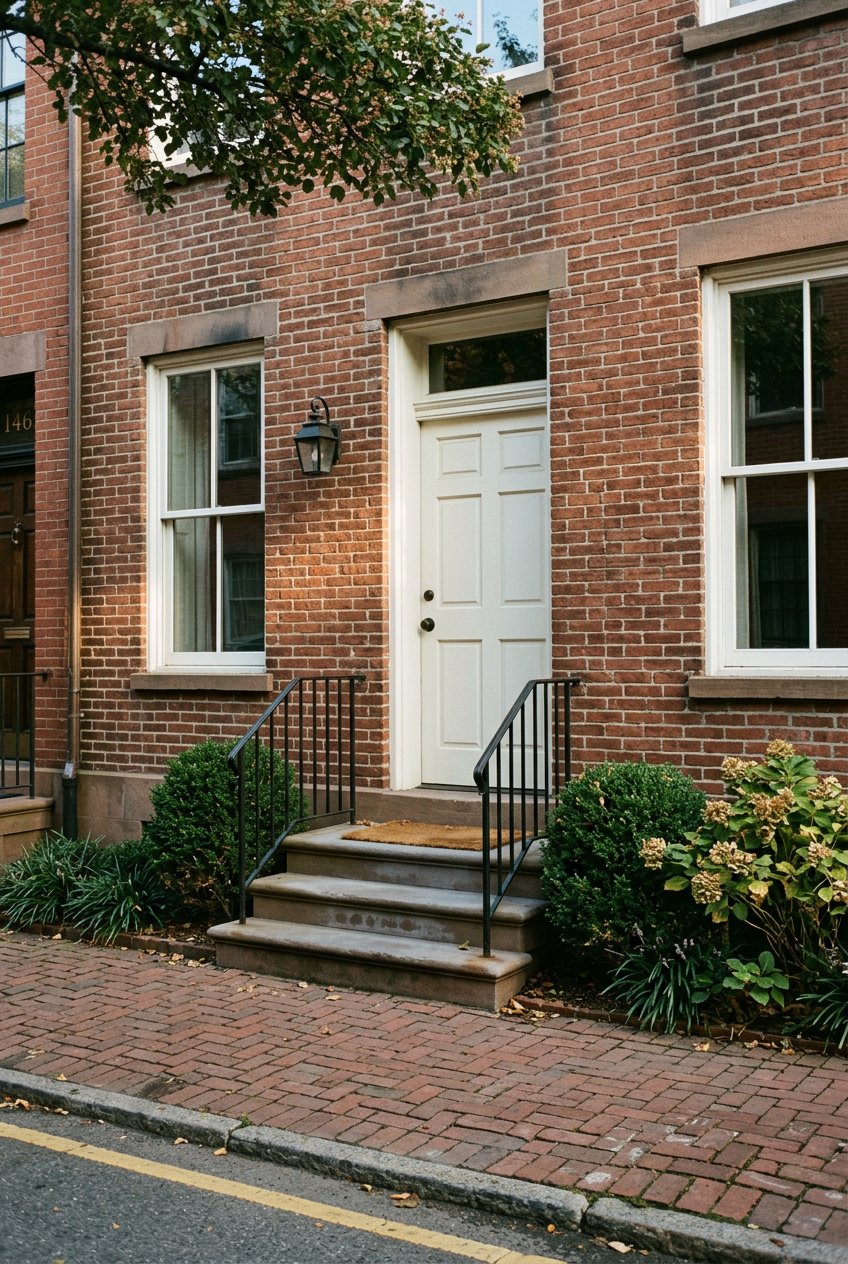
- Old Town: Central King Street addresses often score very high for walkability and transit access. See an example snapshot on Walk Score for King Street. You get brick sidewalks, historic architecture, waterfront parks, and a heavier weekend visitor flow.
- Arlington corridors: Clarendon, Ballston, and National Landing have an urban retail corridor feel, year-round restaurant clusters, and frequent events. The vibe is more modern high-rise and mid-rise living with many grocery and service options within a few blocks.
Market conditions now: more balanced, still competitive
Early 2026 regional outlooks point to a market that is less extreme than 2020 to 2022. Inventory rose in 2025 in many Northern Virginia submarkets, giving buyers more choice and a bit more negotiation room, while prices remain above pre-pandemic levels. Read the Northern Virginia Association of Realtors 2026 forecast for context: NVAR 2026 Economic & Market Forecast.
In practice, that means:
- Well-priced condos near Metro with parking still move quickly.
- Historic rowhouses in central Old Town remain premium listings and are competitive when updated and well located.
- If you can be patient, you are likely to see more options than a few years ago.
Two first-time buyer profiles to consider
Use these scenarios to hone your search before touring.
Profile A: Budget-focused commuter
- Priorities: Sub $600K options, short Metro ride to downtown DC, low maintenance, and assigned or deeded parking.
- Where to begin: Arlington’s Ballston–Virginia Square and Crystal City corridors generally show more one- and two-bedroom condo choices at these price points in recent neighborhood snapshots. Expect a range of building ages and amenity levels that affect HOA dues.
- What to check: HOA fees and what they include, parking type and cost, Metro line convenience to your office, and building reserves or special assessments.
Profile B: Historic charm by the waterfront
- Priorities: A walkable, historic setting with restaurants, boutiques, and river access. You are comfortable with a higher budget or you will start with a smaller condo in or near 22314.
- Where to begin: Central Old Town or Old Town North for condos; central Old Town for rowhouses if your budget supports it. Many core rowhouses exceed the $900K to $1M mark in recent snapshots.
- What to check: Historic district rules for any exterior work, parking options in central blocks, and weekend noise or tourism patterns on your specific street.
Smart touring checklist
Bring this list to every showing and you will catch most surprises early.
- Price vs. neighborhood snapshot median and recent comps in the building
- HOA dues, reserves, and any current or planned special assessments
- What the HOA master policy insures vs. your owner policy
- Parking: deeded, assigned, permit, guest policy, and any monthly garage fees
- Commute test: time a weekday door-to-door trip to your office
- Noise and foot traffic at night and on weekends
- Historic district rules if you plan exterior changes in Old Town
If you want a quick feel for how condo dues can vary, scan a real listing for fee details and included utilities. Many buildings with more amenities have higher dues that can shift your monthly math.
How to choose your starting point
- Set a total monthly number first. Include principal and interest, taxes, insurance, and HOA dues.
- Pick a primary line or station. Blue and Yellow in Old Town, or Orange and Silver in the Rosslyn–Ballston corridor, can change your commute.
- Decide condo vs. townhouse. Rank low maintenance and amenities against space and control over exterior changes.
- Tour two examples per area. Compare a condo in Crystal City to one in Ballston, then compare an Old Town condo to a townhouse if the budget allows.
- Revisit the numbers after touring. Real HOA fees, parking realities, and commute times usually make the decision clear.
Ready to narrow your search to the right buildings and blocks? Let’s map your budget, commute, and must-haves, then plan efficient tours.
If you want calm, data-backed guidance without pressure, connect with Christina Wood Real Estate. I will help you compare options side by side, pressure-test your monthly costs, and craft a smart plan to win your first home.
FAQs
Is Arlington usually more affordable than Old Town for first-time buyers?
- In recent neighborhood snapshots (Feb 2026), Arlington’s condo-heavy corridors like Ballston and Crystal City generally offer more sub $600K options than central Old Town, where many core rowhouses sit above $1M.
Which is faster for a DC commute: Old Town or Arlington?
- It depends on your office location. Rosslyn’s position just across the river often means fewer stops to many downtown stations, while King St–Old Town has Blue/Yellow plus Amtrak and VRE. Test your door-to-door time during peak hours using WMATA’s King St–Old Town station info and the Rosslyn Metro hub overview.
How walkable are these areas without a car?
- Both have strong walk scores in their cores. Central King Street locations often earn very high scores, as shown on Walk Score for King Street. Arlington’s Clarendon and Ballston also feel highly walkable with dense retail and grocery options.
What should I look for in condo HOA documents?
- Focus on monthly dues, reserve levels, upcoming capital projects, special assessments, insurance coverage, rental rules, and parking policies. High-amenity buildings often have higher dues, so include them in your monthly budget.
What does the current market mean for first-time buyers in 2026?
- Northern Virginia moved toward a more balanced market in 2025 and early 2026, with more inventory and moderated competition compared with peak years. See the NVAR 2026 forecast for the regional context.